 Lobsters
C array types are weird; and related topics
C array types are weird. In this article I’ll explain what I find weird about them, what I’d do differently, and ramble on a few related things.
Source feed
1972 items
A computing-focused community centered around link aggregation and discussion.
Lobsters
C array types are weird. In this article I’ll explain what I find weird about them, what I’d do differently, and ramble on a few related things.
Lobsters
If you visit the Flatpak website today, it lists, as the very first advantage of the project: “Build for every distro: create one app and distribute it to the entire Linux desktop market.” If you then move on to the list of supported distributions, you’ll...
Topics: Infrastructure
Entities: Infrastructure

Lobsters
Explore new AMD Vivado™ licensing options with flexible subscriptions and perpetual tiers. Find the right fit for your design needs with free and paid choices.
Lobsters
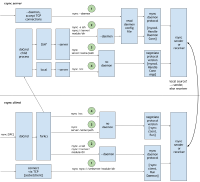
Back in January 2025, multiple different security researchers published a total of 6 security vulnerabilities in rsync, some of which allow arbitrary code execution and file leaks, so naturally I was wondering whether/how my gokrazy/rsync implementation was...
Topics: ProgrammingSecurity
Entities: Programming
Lobsters
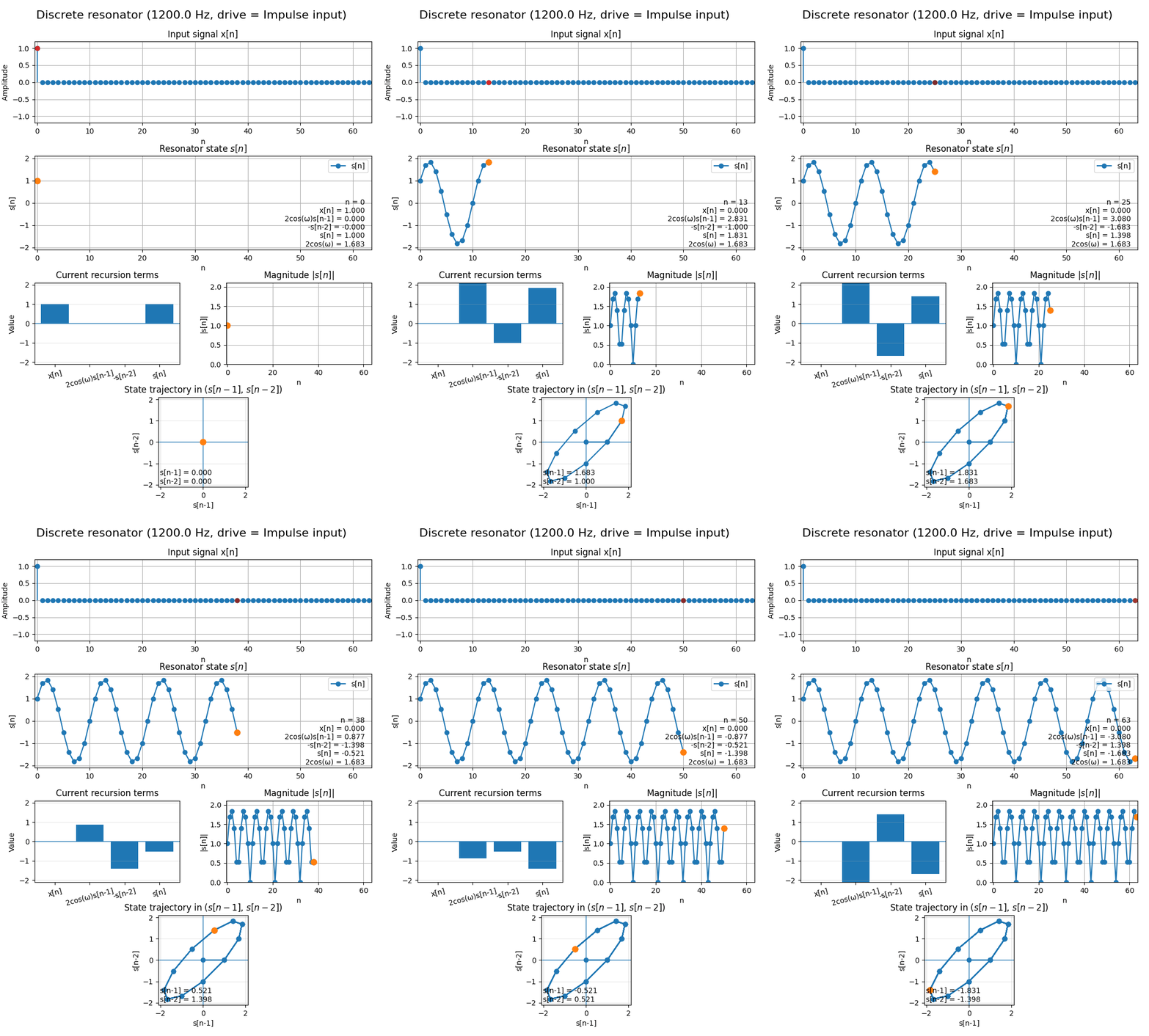
Years ago, I graduated from the Faculty of Electrical Engineering and Communication in Brno (Czech Republic), specializing in telecommunications, and since then, I’ve been working in embedded development and IoT. I’m interested in electronics, programming,...
Topics: Programming
Entities: Programming
Lobsters
Dmitri's blog about programming, Clojure, and software development
Topics: Programming
Entities: Programming

Lobsters
We have a new Linux exploit called PinTheft [1]. I did some tests of it with Debian kernel 6.12.74+deb13+1-amd64. user_t When I run the exploit as user_t I see the following in the audit log: type=…
Topics: Infrastructure
Entities: Infrastructure
Lobsters
A dynamic tiling Wayland compositor. Contribute to nferhat/fht-compositor development by creating an account on GitHub.
Lobsters
If you let sandboxed code reach one domain, it can leak your secrets through that domain. Why network allow-lists have a structural blind spot, and how an L7 proxy with data-loss prevention closes it.